This past weekend was another weekend of going through Mom’s numerous closets deciding what stays and what goes. Every decision seems monumental. Every forgotten discovery the latest adventure. Discussion, ponder, story, discussion, more pondering, another story. Decision made? I’m not sure. Will this go to another closet or out into the already cluttered garage of second opinions? Her post-storied opinion, for later. Repeat.
See, Mom is sentimental. She collects things, lots of things with personal value or a unique story behind it. Then I picked “the one” up. Peculiar. Heavy without any weight. The latest frame of pictures and portraits below. “Umm, Mom! Who on Earth are these people?” I yelled. “Is there something I don’t know?” in a puzzled curious tone. “What!” she yelled back from down the hall. “Is there something you haven’t told us?“
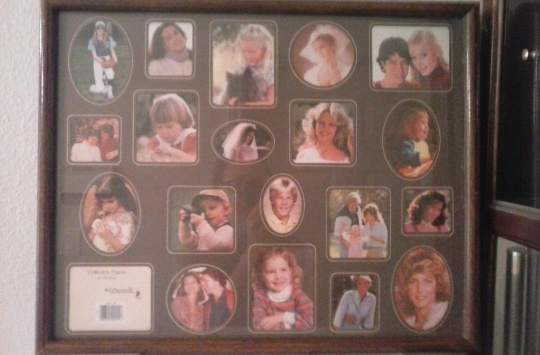
Unknown family collage from the closet
“I don’t know what you are talking about!” she screamed back. “Right, a perfect answer” whispering under my breath. I decide I should quickly pullout my phone, snap a picture or five, maybe it was eight, and have evidence for any unforeseen future inquiries… like DNA. Any sleuthing closet-cleaner worth his gumption would do the same!
Mom arrives, “What are you yelling about?” I turn the mysterious family photos to her “WHO — are — these — people, and why are they tucked in the back of the closet!?” as I glare at her. Cue the music soundtrack…
Fade camera-shot of Mom, her mind travels back in time. Me asking lots of questions, one or two prying, wrenching, and adding commentary… the story begins.
∞ ∞ ∞ ∞ § ∞ ∞ ∞ ∞
(line break)
“Would this possibly be” I began, eyes squinted… “the lost side of the family?” My mind raced, wondering what else I might find buried in other closets. Things whispered about. Details sketchy. Silence when little ears from younger generations approach. Yep, I’ve seen it all before. As we near our final stage in life, many feel the need to get things off their chest. Finding relief, solace, truth, and a clear conscience often starts with closet doors!
Mom’s breathing became nervous, labored. “I guess now is as good a time as any, huh?” My expression was blank, unsure what to say, what to think. The air was thick, so thick that it was hard to breath thickly, let alone wonder where did I come from. Where am I going?
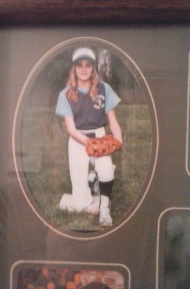 We started with my son’s aunt, Aunt “Outta-here” Audie. Most friends of the family thought she was highly athletic for a girl her age. She stood out from other girls and boys at school and on the baseball diamond. “Your son gets his baseball talent from him… I MEAN HER!” she quickly corrected. The Ozarks in Tennessee have many renown ball-players from remote hilltop, small-town families, she continued. “But I thought all of our family was either in Texas or Ohio?” She sighed, “Some things from way up in the hills and deep in the woods require… discretionary reframing.“
“Really. Isn’t that like… lying? Or at the very least… Congressional lobbying?“
A bit confused I asked “Okay, then how does Rocky Top, Tennessee fit in to all this?” A grin stretched across her face and out came “Remember I was a flight attendant. Flight attendants get around, meet many fun flyers, and pilots.” Ahh, as the cogs are spinning in my head, “That clears up a lot of things.” I want to know about the woman in the big Kentucky Derby hat.
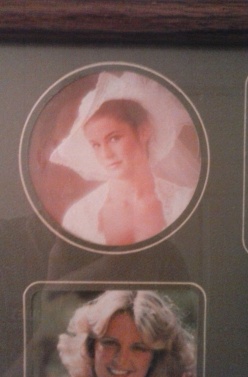
Aunt “Mata Hari” Pearl (top) and Madame Prudence
“And is this woman of the family a lady of the night or day?” Mom giggles, “No, no, no. That’s Aunt “Mata Hari” Pearl and Madame Prudence below her.” Obviously I was close with my educated guess. Should I ask about them? Why would names like that be the least bit intriguing, right? “So… the two cancel out each other or balance each other?” Mom rolls her eyes, “Stop your accounting methods! They both have their gifted ways of civil duties.” Who was the more popular of the two I asked myself. Experience has taught me when to verbalize questions and thoughts, and when not to. This seemed to be one of those times. But wait, I did have a question!
“Which one was a flight attendant?“
“Depends what airline you flew for.” she answered half-serious. She would know too. In the 1970’s Mom worked for an airline where the stewardesses wore very short shorts, white go-go boots, and snug blouses, under a snug thin vest, and which prided itself on love, because they were based at Dallas Love Field, of course. Or was it “in love”? “In some cases it depended on who you were flying with… on private jets, like with a huge T on the tail.” Oh yes, those jets. “Stands for Trump, right?” She waved her hand at me, “No! Testosterone!” She paused, “Or is it Tonnage?“
“Tiny? Testicles?“
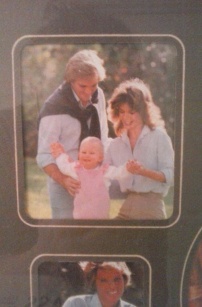
Earnest & Gabrielle Cleaver with little Dexter at Wisteria Lane home
We moved to the next hidden-now-found family members, Earnest and Gabrielle Cleaver with their young son Dexter (Morgan?). They seemed like the perfect suburbia couple with a very cheerful boy. “Well, at least they look pretty normal.” I told Mom. But looks can be deceiving as the cliché goes. “Yes, that’s true” she answered in a dejected tone, “until Dexter became a teenager.” I asked her what she meant. “We always thought Dexter’s fondness for knives was a boy being a boy, or the makings of a great chef.” Sure, or maybe a master outdoorsman, hunter, or…
“Then one day Mrs. Cleaver opened Dexter’s toy-trunk. Inside were all his past dolls, but not as whole dolls!” What in the world could she be saying? What she said next would make even Alfred Hitchcock green with envy; or red. “She found in each compartment tray were stacks of legs, arms, torsos” she took a deep breath, “…and heads.” With a horrified grumble I asked with a glimpse of hope “I suppose he didn’t become a mortician?“
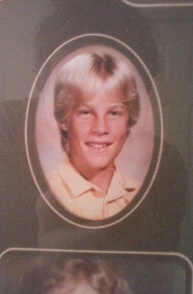
Dexter Cleaver pre-incarceration
“Last we heard he eliminated three guards in the kitchen at the Polunsky Max-Security Unit in Livingston.” I waited, and waited some more; she stopped. “Texas?” I asked with a raised voice! She gave me this blank look then nodded. “Mr. and Mrs. Cleaver” she continued, “gave him up for adoption and foster-care we think.” I’m thinking I’m done cleaning closets around here! “Does he know us!? Does he know where anyone lives!?” I’m also thinking where the hell is my phone, car keys, and bank statement. “That’s why the lower-left picture slot is empty. They disappeared in 1977.” Well obviously it is very smart for us to hang-on to this family collage to eliminate any doubt of familial connections. “Have any authorities asked us for tongue-swabs or DNA samples for any unsolved cold cases?” Please, please say no. “Police were able to obtain a match from Uncle Wilbur.” My eyes enlarge, “Who tha hell is Uncle Wilbur!?“
“No one you know.” Well duh! Now I’m stunned. “MOM! I need to know now!” She takes another one of those deep sighs, “They found his body tied to a tree in the Crockett State Forest. That’s where they got the blood sample.” I’m still not comfortable with these answers. Surely they’ve caught him by now, “So cousin Dexter has been caught and returned to Polunsky?“
“No. I think he is still at-large.“
“Since 1977?” She gives me this scowling look, “Now be nice. Our Texas law-enforcement are super busy” she explains in gradual calming, motherly voice, “catching, arresting, and imprisoning thousands and thousands of known criminals and murderers in this state. It’s a full-time job! They’re very busy you know.” After her reassuring loyalty in police matters — where more Texans own multiple weapons of multi-functions and calibers than the National Reserve all combined — I suggest to her:
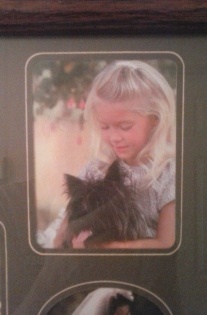
Niece Dorothy & her puppy Toto
“If you EVER hear or see anything about cousin Dexter, you tell me! Alright?” I revisit my review of the Lost/Hidden Side of the Family menagerie. What’s next? Could there be more?
“Who’s this?” I point to the sweet little blonde girl affectionately holding the small dog. “That’s my niece Dorothy” she smiles warmly “and that is Toto.” Hah! Right. And somewhere in this closet will be flying monkeys with a total bitch from the West. Then Mom’s face turned sad and she added…
“About a year after that photo was taken” she raised her foot, “Toto chewed off three of her toes and the middle-finger of her hand.” I shrugged my shoulders and thought maybe they should give Toe-toes to cousin Dexter and start another toy-trunk collection. TV-Guide reads, “Season Premier! Epic Crime-drama expected from real-life slice ’em, dice ’em, chew ’em up Chef-n-Canine Duo!” Hmm, yeah and Season 2 in next closet!
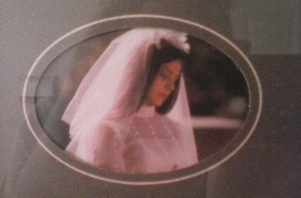
Cousin Carrie cleaned up and purified
“Who is the Looker in the wedding dress?” Mom grimaced some as she began to answer, “That is your cousin Carrie (White?) and that is her NEWLY dry-cleaned prom dress converted to a wedding dress.” Ahh, of course it is — and is it weird that I’m attracted to my hidden, lost-and-found cousin? It’s just a picture. I must have some genes from Hilly Tops and Deep Woods Tennessee!? Is that even curable? What is wrong with me!? What else should I know (or not) about our family?
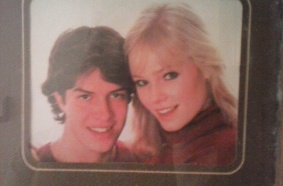
Not Aunt Bonnie and Uncle Clyde
“And that is your…” she leans over and points to the other young couple, “Aunt Bonnie and Uncle Clyde.” In a dismayed exhale I drop my head, close my eyes “No way!” Mom begins laughing “Gotcha! Relax. Their real names are G.W. and Madeline Kahn. They live somewhere in Eastern Europe.” She looks up, “Or maybe it’s Mongolia?” I start to put the picture-frame back into the closet. Once it’s out of the closet, can you put it back? Can one not know what has become knowable? Is there a pill for that? Is that what is meant by “I cannot recall” or “I can neither confirm nor deny that statement“?
“Wait! Let me guess these two.” I pick out the other brunette and blonde below her. “These two have to be Virginia and Vita Woolf-… rather Woolfenmeow! Right?” With a curious expression, “Who are they?” Cue the closet-music…
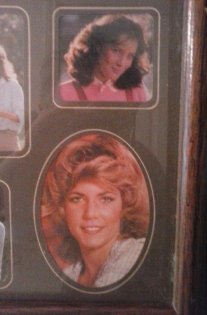
Virginia and Vita Woolfenmeow?
“Obviously our lost or hidden sultry seductresses and the 20th century’s steamiest love affair in verse, and in YOUR closet!“
Mom gave a devious smirk, “Oh? I guess you never quite know what you’ll find snooping around people’s closed doors, do ya?” She pulled down the hat box untying its fastening strings, “We all have our hats and masks we wear I suppose.” Good points. They are closed for a reason and they are worn for equal reasons. What I find curious, exhilarating, telling, shocking, or… smelly(?) IS THAT reason. What tap-dances or lurks behind?
“What’s in that box?” I inquire with hesitant suspicion. “This was Lady Chevalier d’Éon Blake’s judo black-belt she used around the necks of eleven Nazi SS commanders, deceased of course, but strangely as eunuchs, once she had them in highly vulnerable nocturnal postures.” I stared at her to see if I could catch another dubious smirk, but she was chokingly serious! “And this was your Aunt Millie ‘Boom’ Cnockaert’s wiring-kit and motorcycle goggles. They both became closest friends after the war and when…” she paused. “When what!?” I could not determine whether she was struggling to recall events, facts, news, family stories, or whether she was sorting out omissions and disclosures. Oh the things people say… or don’t say.
“When… they returned to France and Chevalier insisted on being a woman, dressing as a woman.” Whoa. Should I be proud or scared of my lost-hidden-now-found family? I want to at least lay claim to this family Believe-it-or-Not picture-collage and hang it over the fireplace mantle, or perhaps somewhere inconspicuous, say on the front or back of the coat-closet door!
“Why didn’t they come to America, the home of the free, home of the brave, civil and personal liberties galore!?” Camera-shot sharpens into focus from our time-traveling. Cue closing music soundtrack. Roll credits.
(line break)
Live Well — Love Much — Laugh Often — Learn Always — Dream

This work by Professor Taboo is licensed under a Creative Commons Attribution-NonCommercial-NoDerivatives 4.0 International License.
Permissions beyond the scope of this license may be available at www.professortaboo.com/contact-me/.
 I’ve often been told and have heard this self-perceived proud gloating about remote, rural country-living:
 Without delay I get on the internet and search for some business, some Green recycling establishments nearby to come and pickup this dead goliath-of-entertainment and dispose of it properly. Snap! I find no less than three! I continue reading all the various junk-items that they happily come and pickup — just type in your zip code it says and they’ll arrange for pickup. Wow, I am totally stoked about this solution! Three minutes later,

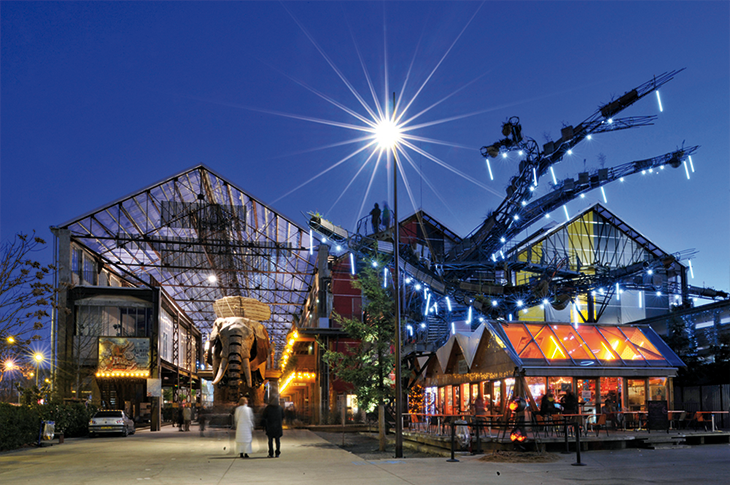
 has been described as a park of magical zoological encounters from the imaginations of Jules Verne mixed with the mechanized creations of Leonardo da Vinci animated on the grounds and shipyards of Nantes’ 19th century maritime industry. I have to agree. The Machines of the Isle of Nantes, in western France are marvels to behold and will certainly be part of my next European visit.
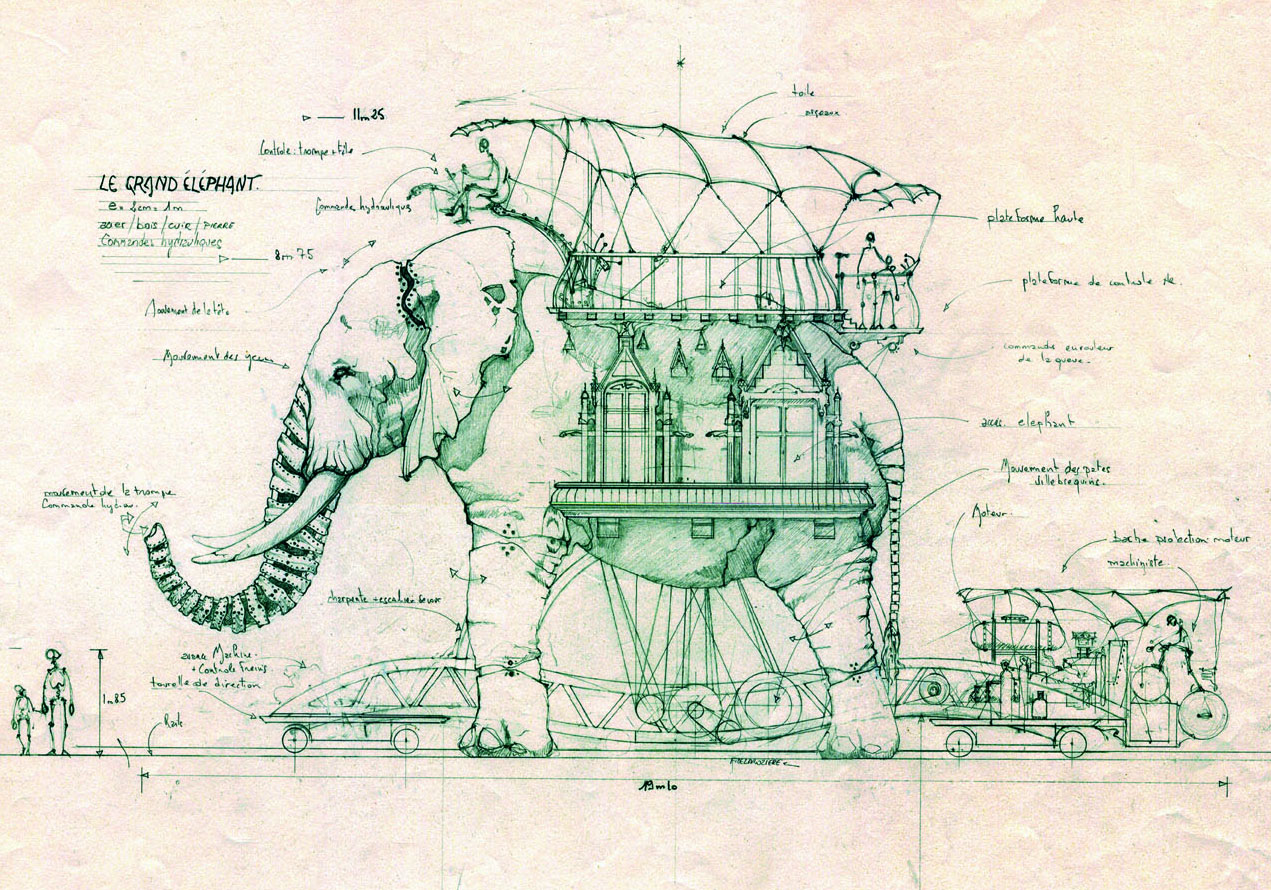
 his four-story mechanical mammoth ushers visitors to and from the craftsmen’s warehouse and the park’s Carousel. Getting onto the great Elephant’s decked back under the ivory-colored elliptic umbrella, it is impossible to overlook the ornate hand-carved woodwork which make its skin. Descend into the Elephant’s torso and belly and you are surrounded by pneumatic switches clattering to-and-fro across a network of cables and tubes (the heart) setting the beast in motion. During every journey the trunk blows water over entranced spectators and laughing children followed by trumpets calling and warning — with the help of dials, pipes, horns, and clever hands of its operator — who and what is coming.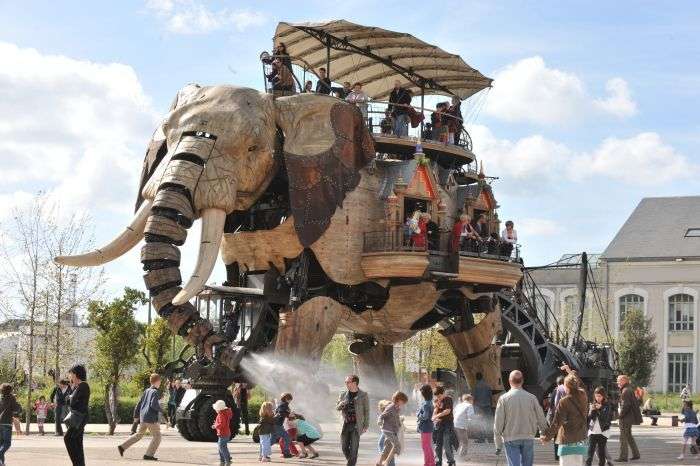


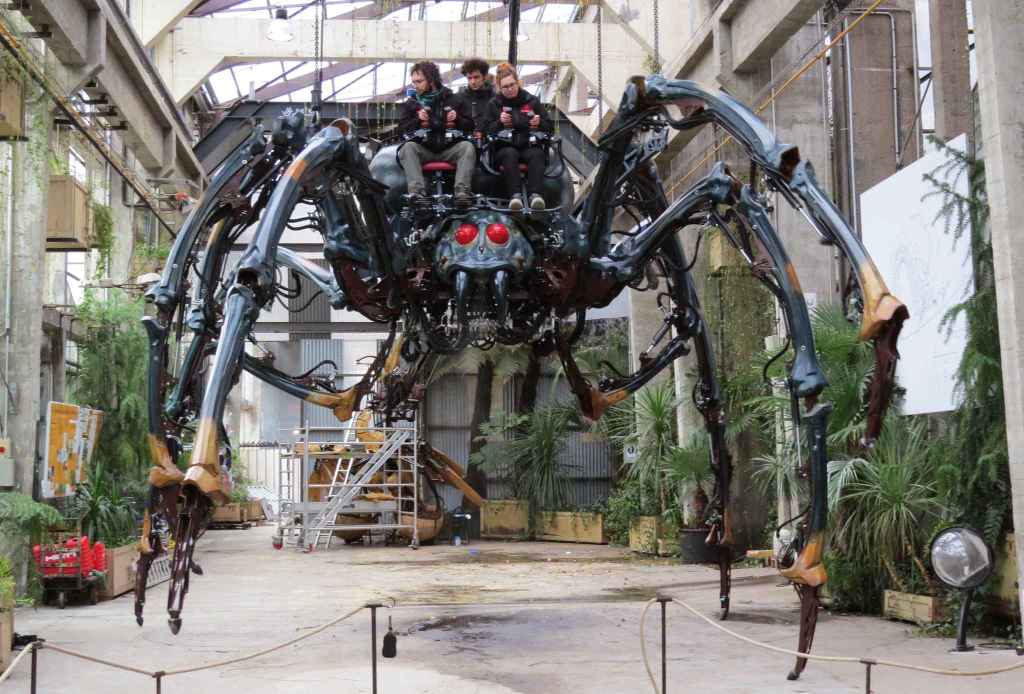
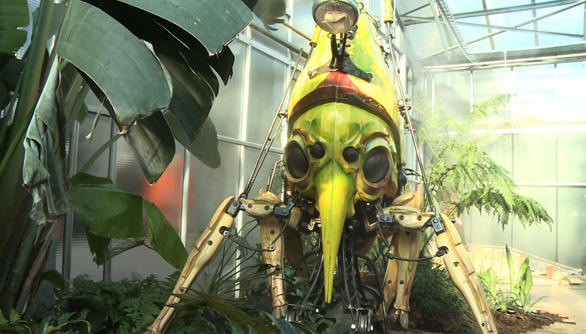
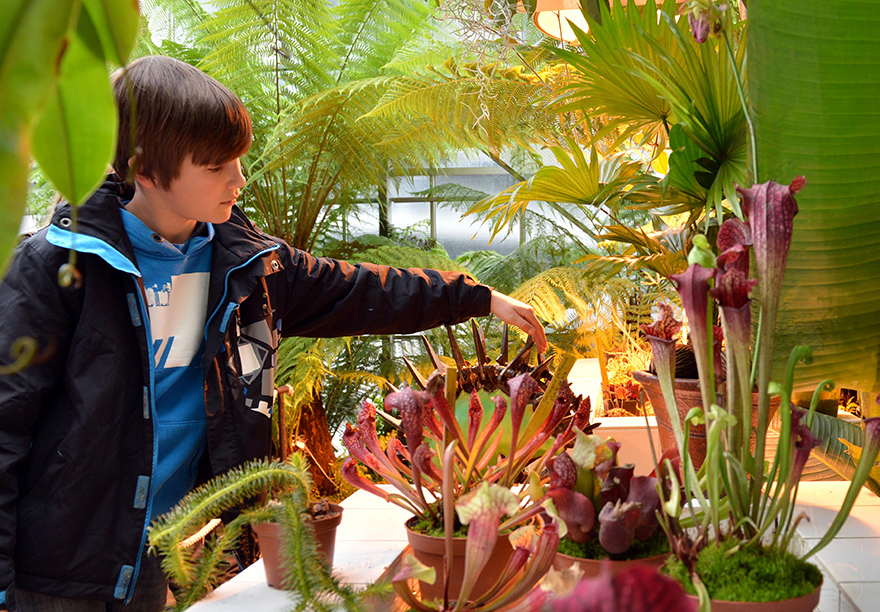
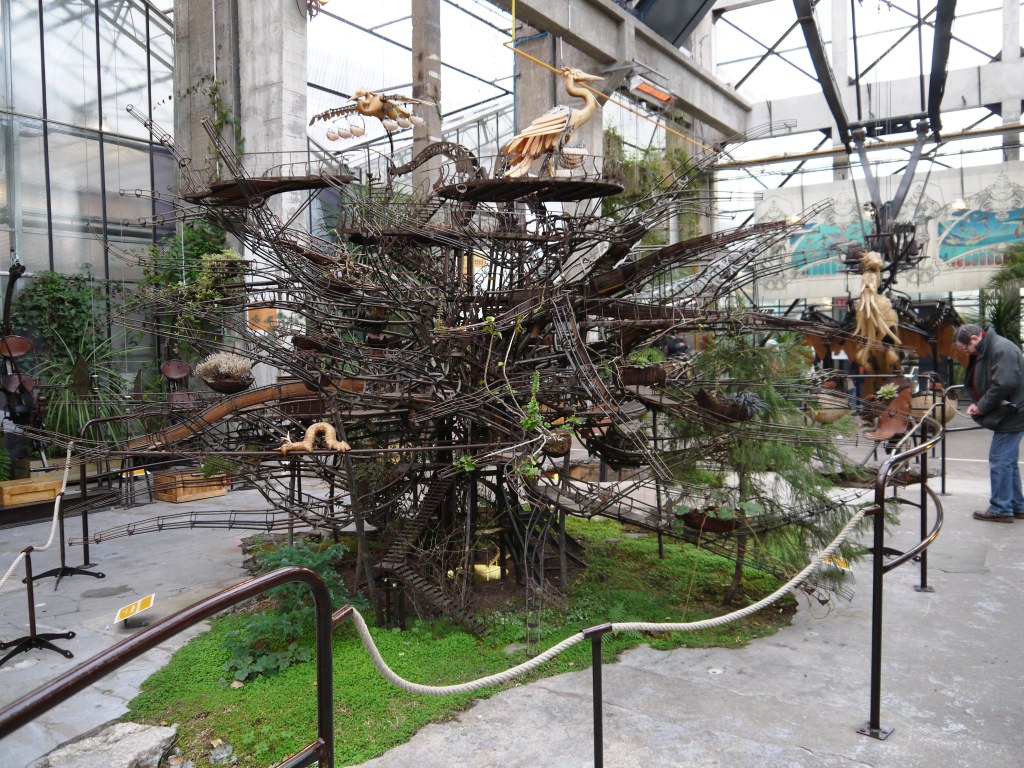
 nderneath the large hangers lies a tropical garden called La Galerie des Machines. Here with a handtouch or move of levers various large reptiles, sea creatures, and insects come alive. There is a giant ant, sea turtle, caterpillar, crab, a ferocious anglerfish, enormous spider, serpent, and up above a wall-to-wall giant heron flying visitors in wicker-baskets from one end of the hanger to the other. Pay close attention to all the botanical plants because little distinguishes the organic from the mechanical until they catch you by surprise!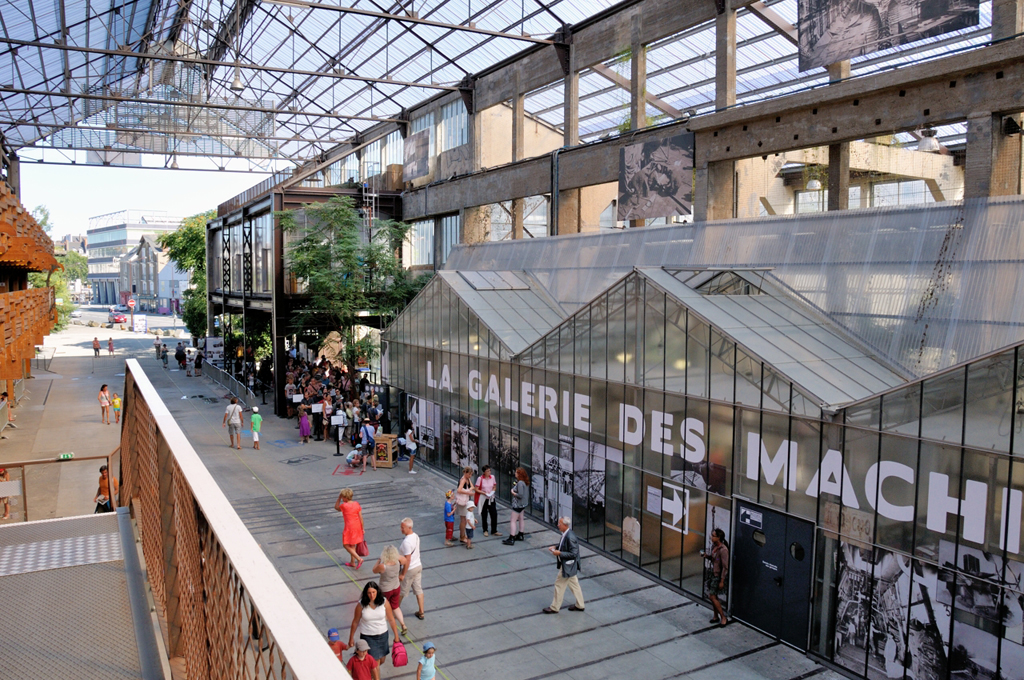





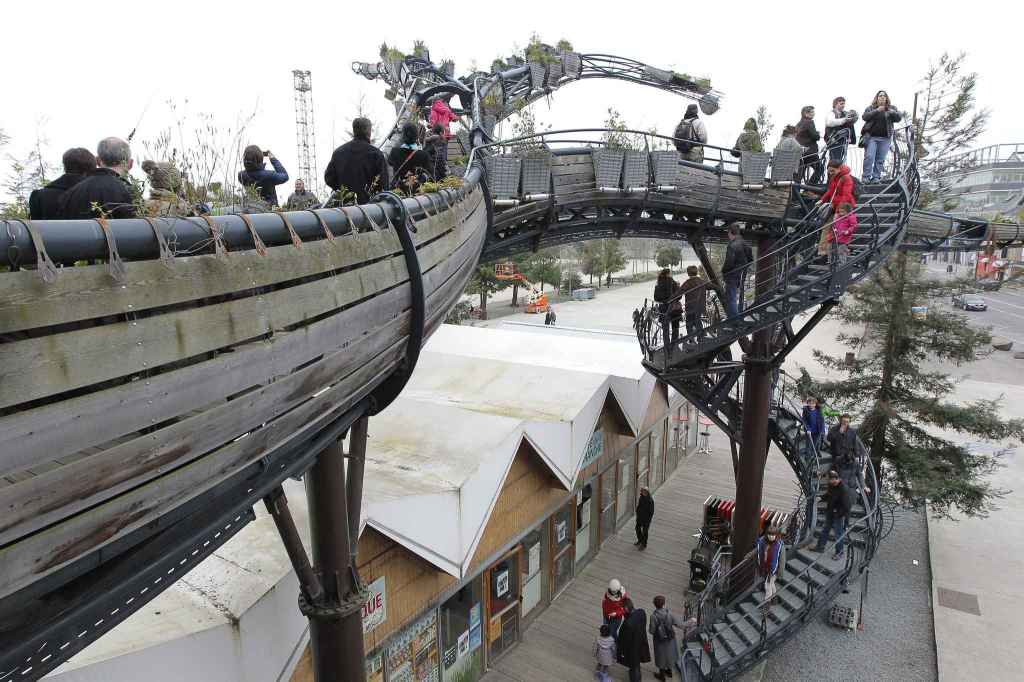
 rojected to be complete in 2021 is the budding Arbre aux Hérons, or Heron Tree. This magnificent tree will extend a full 35-meters in height, 50-meters in diameter, with branches 20-meters long providing a canopy over the Gift Shop and Café below. When complete, visitors will be able to take circular flights underneath the two heron’s wings above the tree branches. Already the tree carries a variety of real plants on each finished limbs and visitors can walk atop branches reaching the bar and shop in multiple ways that would make even the


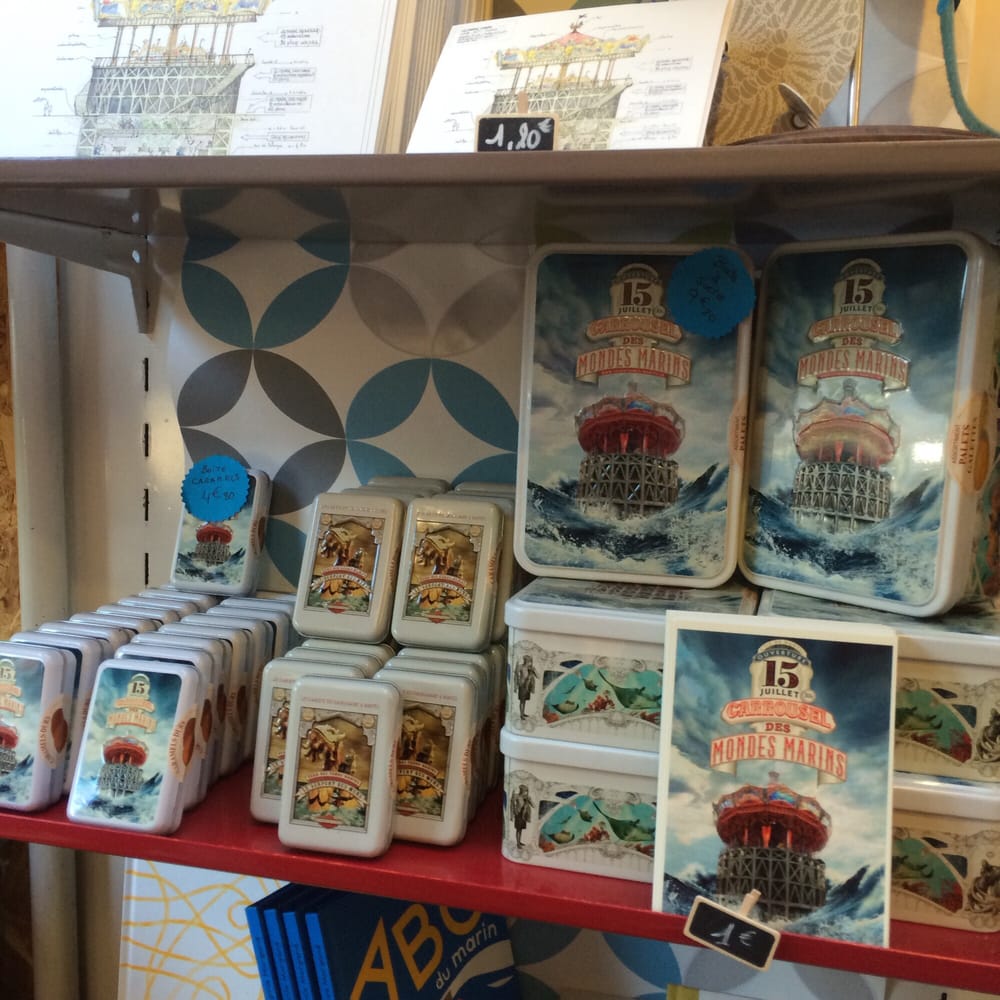
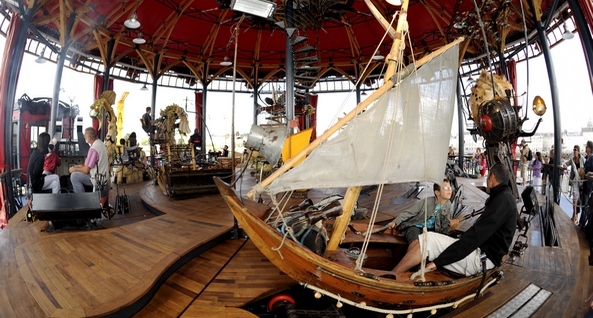
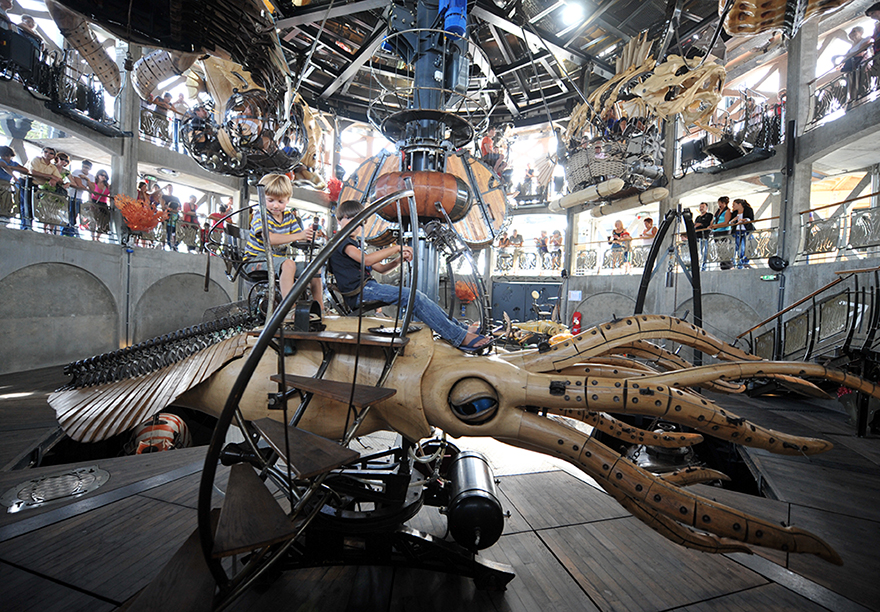
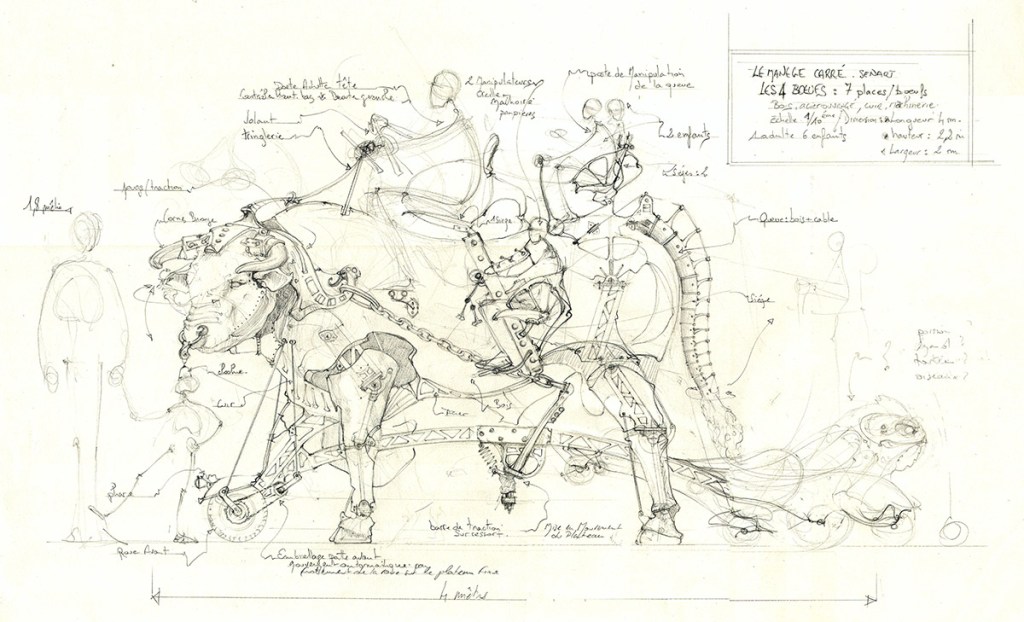
 urther outside on the grounds is the three-leveled carnival-like carousel for children under 12-years of age. The Carrousel des mondes Marins (Marine Worlds Carousel) exhibits an enchanting fauna of every oceanic creature imaginable. Rather than the traditional horses, carriages, or teacups, children may choose rides inside or atop a mechanical aquarium of bizarre crabs, shrimp, an octopus, fish such as a puffer fish, strange serpents and sea turtles. All the moving parts are enough to entrance and captivate your kids for minutes on end. On the very top of the Carousel are ornate pediments and 16 fishermen guarding the world’s precious oceans. The seabed, the abyss, and the ocean surface makeup the three-tiered marine life. A giant crab, reverse propulsion squid, a Nautilus-like diving Machine exploring the depths, the Bathyscaphe which climbs up and down the central mast, and the newest arrival the Boxy Fish comprise part of The Seabed’s 14 moving elements. Along The Abyss (middle level) one will discover the Manta Ray, Pirate-fish, and Deep-sea Lanternfish among three other creatures. Up on the Ocean Surface are the swaying boats, harnessed Flying fish, a storm boat, Nutshells and Jellyfish all swimming within a whirlpool of 24 mechanical waves.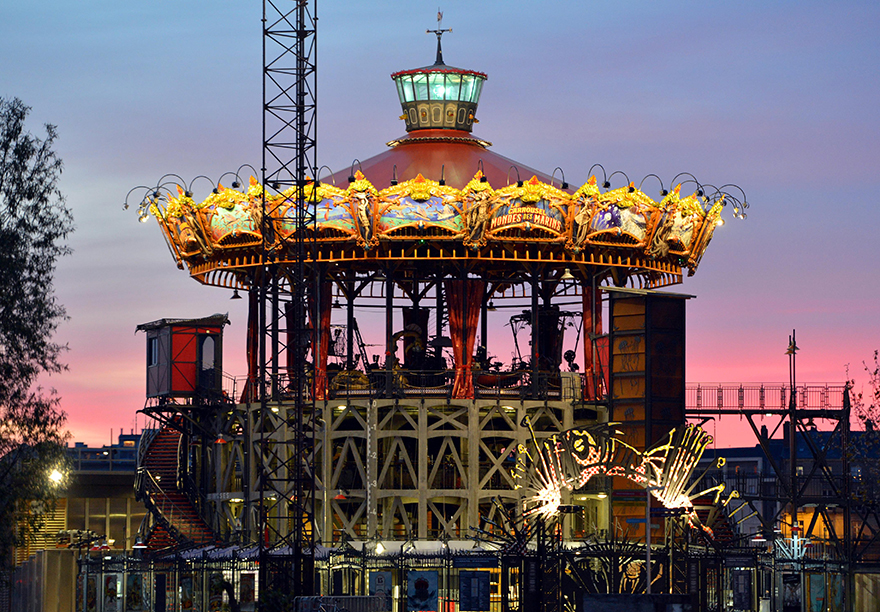



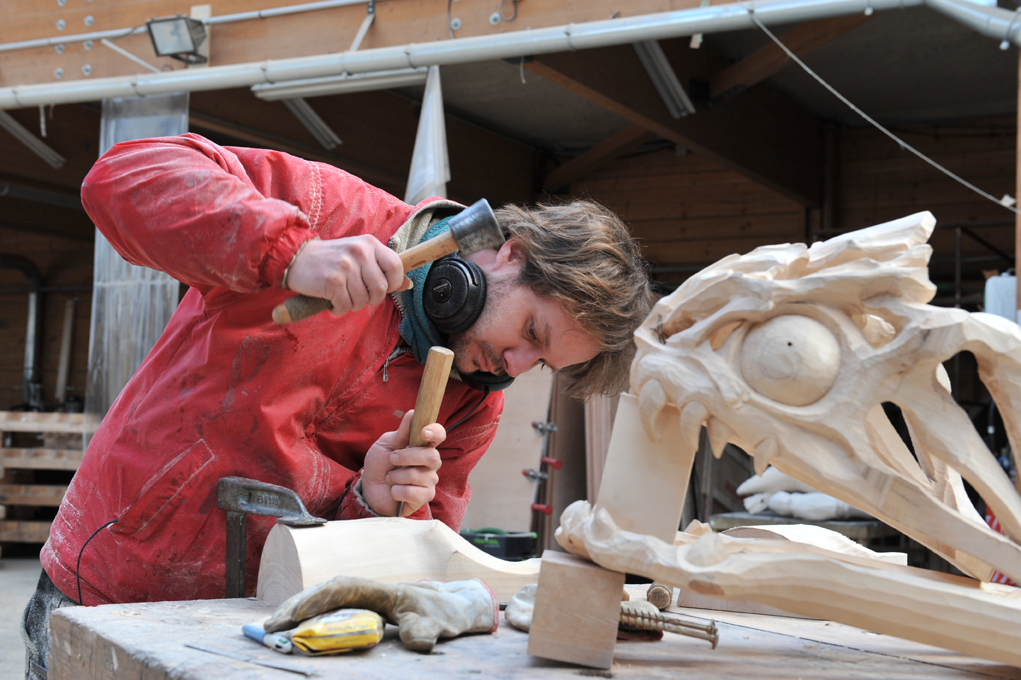
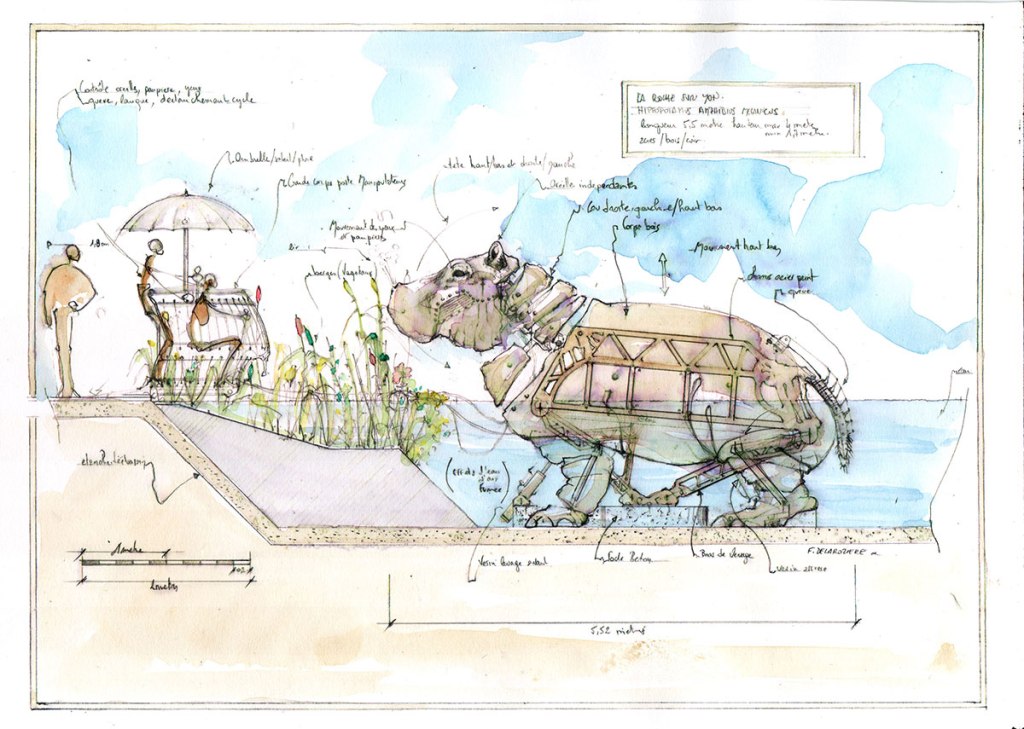
 limbing to the top floor of the varied hangers, visitors can gaze down upon the work areas and laboratories of Company La Machine, glimpsing the park’s future spectacles. Watching these fantastic craftsmen ply their trade you see the unbelievable care and detail that goes into every new and upcoming creature. From François Delarozière’s mind, to these worker’s hands and tools, come the mechanical inventions of Da Vinci and Verne reincarnated. New wacky unusual machines and rides are designed and fabricated every year keeping the theme park virtually newfangled.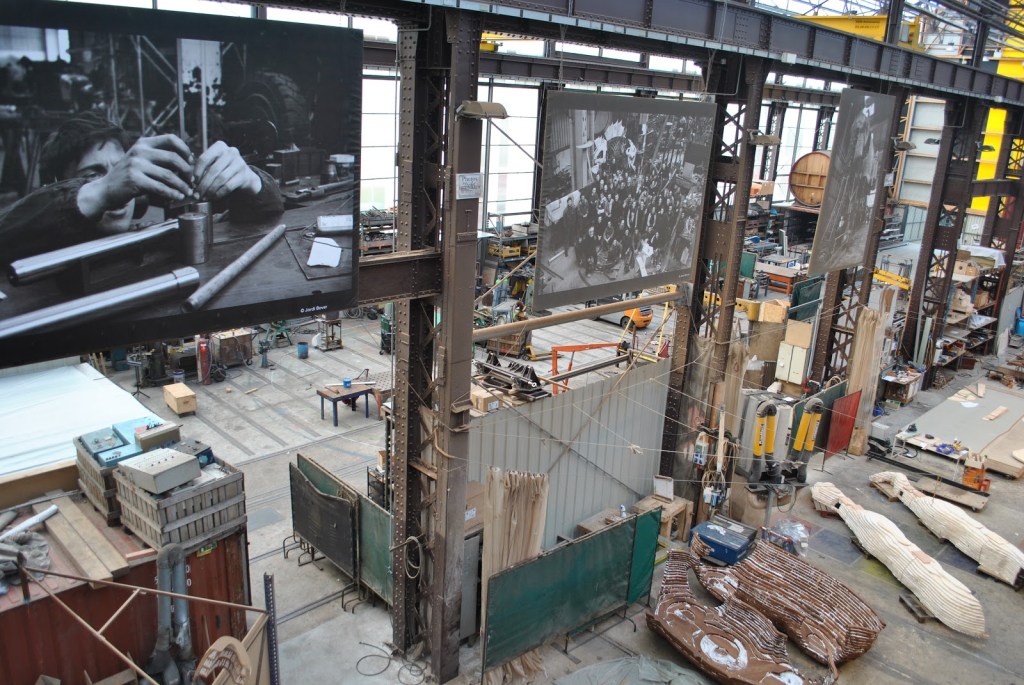





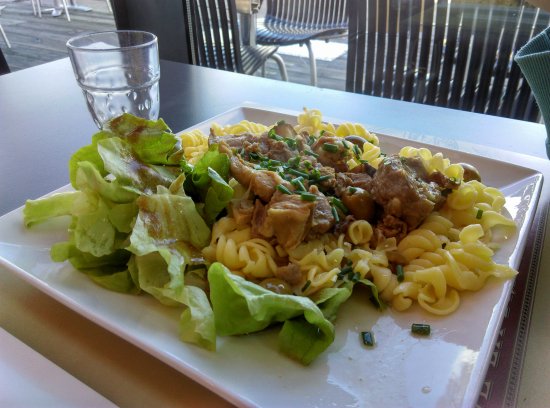
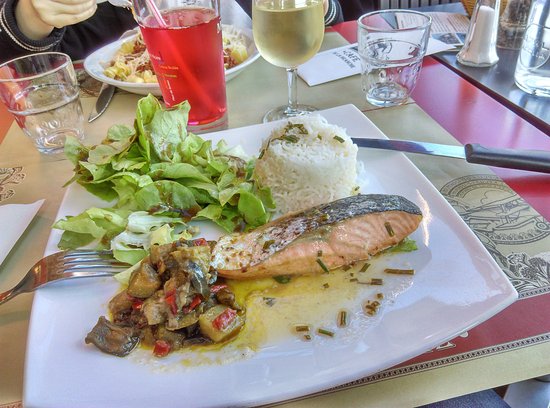
 ne of the delights of the park is the total freedom to explore every site and nook at your own pace. The Café de la Branche offers different beverages, snacks, sandwiches, and tasty pastries to enjoy underneath The Heron Tree’s foliage. Your appetite can be appeased with the chef’s Back From the Market menu which includes a choice of fish, a traditional dish or grilled meat, as well as homemade pies. Over weekends, depending on the season, patrons can enjoy: homemade quiche, fresh vegetable soup, meal-sized salads, as well as homemade sandwiches. Hot dogs and panini sandwiches are available in the summer. For a four o’clock coffee break, muffins, brownies, shortbread, or donuts are on the menu. Regional and locally crafted specialities of beer, wines, and ciders can be purchased too.